
The Study Quran: A New Translation and Commentary
Seyyed Hossein Nasr (Ed.)
A landmark scholarly edition with verse-by-verse commentary drawn from classical sources — the most comprehensive single-volume study Quran in English.
Surahs Al-Kafirun, Al-Ikhlas, Al-Falaq and An-Nas
The 4 Quls are four short surahs near the end of the Quran that each begin with the word Qul, “Say”: Al-Kafirun (109), Al-Ikhlas (112), Al-Falaq (113) and An-Nas (114). Al-Falaq and An-Nas are known together as al-Mu‘awwidhatayn, the two surahs of seeking refuge; when people speak of “the 3 Quls” they usually mean Al-Ikhlas, Al-Falaq and An-Nas.
All four are below in Arabic with transliteration and the Saheeh International translation. Press play on any verse to hear it.
بِسْمِ ٱللَّهِ ٱلرَّحْمَٰنِ ٱلرَّحِيمِ
بِسْمِ ٱللَّهِ ٱلرَّحْمَٰنِ ٱلرَّحِيمِ قُلْ يَٰٓأَيُّهَا ٱلْكَٰفِرُونَ
Qul yaa-ai yuhal kaafiroon
Say, "O disbelievers,
لَآ أَعْبُدُ مَا تَعْبُدُونَ
Laa a'budu ma t'abudoon
I do not worship what you worship.
وَلَآ أَنتُمْ عَٰبِدُونَ مَآ أَعْبُدُ
Wa laa antum 'aabidoona maa a'bud
Nor are you worshippers of what I worship.
وَلَآ أَنَا۠ عَابِدٌۭ مَّا عَبَدتُّمْ
Wa laa ana 'abidum maa 'abattum
Nor will I be a worshipper of what you worship.
وَلَآ أَنتُمْ عَٰبِدُونَ مَآ أَعْبُدُ
Wa laa antum 'aabidoona ma a'bud
Nor will you be worshippers of what I worship.
لَكُمْ دِينُكُمْ وَلِىَ دِينِ
Lakum deenukum wa liya deen.
For you is your religion, and for me is my religion."
بِسْمِ ٱللَّهِ ٱلرَّحْمَٰنِ ٱلرَّحِيمِ
بِسْمِ ٱللَّهِ ٱلرَّحْمَٰنِ ٱلرَّحِيمِ قُلْ هُوَ ٱللَّهُ أَحَدٌ
Qul huwal laahu ahad
Say, "He is Allah, [who is] One,
ٱللَّهُ ٱلصَّمَدُ
Allah hus-samad
Allah, the Eternal Refuge.
لَمْ يَلِدْ وَلَمْ يُولَدْ
Lam yalid wa lam yoolad
He neither begets nor is born,
وَلَمْ يَكُن لَّهُۥ كُفُوًا أَحَدٌۢ
Wa lam yakul-lahu kufuwan ahad
Nor is there to Him any equivalent."
بِسْمِ ٱللَّهِ ٱلرَّحْمَٰنِ ٱلرَّحِيمِ
بِسْمِ ٱللَّهِ ٱلرَّحْمَٰنِ ٱلرَّحِيمِ قُلْ أَعُوذُ بِرَبِّ ٱلْفَلَقِ
Qul a'uzoo bi rabbil-falaq
Say, "I seek refuge in the Lord of daybreak
مِن شَرِّ مَا خَلَقَ
Min sharri ma khalaq
From the evil of that which He created
وَمِن شَرِّ غَاسِقٍ إِذَا وَقَبَ
Wa min sharri ghasiqin iza waqab
And from the evil of darkness when it settles
وَمِن شَرِّ ٱلنَّفَّٰثَٰتِ فِى ٱلْعُقَدِ
Wa min sharrin-naffaa-thaati fil 'uqad
And from the evil of the blowers in knots
وَمِن شَرِّ حَاسِدٍ إِذَا حَسَدَ
Wa min shar ri haasidin iza hasad
And from the evil of an envier when he envies."
بِسْمِ ٱللَّهِ ٱلرَّحْمَٰنِ ٱلرَّحِيمِ
بِسْمِ ٱللَّهِ ٱلرَّحْمَٰنِ ٱلرَّحِيمِ قُلْ أَعُوذُ بِرَبِّ ٱلنَّاسِ
Qul a'uzu birabbin naas
Say, "I seek refuge in the Lord of mankind,
مَلِكِ ٱلنَّاسِ
Malikin naas
The Sovereign of mankind.
إِلَٰهِ ٱلنَّاسِ
Ilaahin naas
The God of mankind,
مِن شَرِّ ٱلْوَسْوَاسِ ٱلْخَنَّاسِ
Min sharril was waasil khannaas
From the evil of the retreating whisperer -
ٱلَّذِى يُوَسْوِسُ فِى صُدُورِ ٱلنَّاسِ
Al lazee yuwas wisu fee sudoorin naas
Who whispers [evil] into the breasts of mankind -
مِنَ ٱلْجِنَّةِ وَٱلنَّاسِ
Minal jinnati wan naas
From among the jinn and mankind."
Arabic text (Uthmani script) and English translation by Saheeh International, from the Tanzil project via alquran.cloud. Verse audio: Mishary Rashid Alafasy, via everyayah.com. Hadith references are given so you can check them with a scholar you trust.
They are Surah Al-Kafirun (109), Al-Ikhlas (112), Al-Falaq (113) and An-Nas (114), the four surahs that open with “Qul” (“Say”).
The 3 Quls are Al-Ikhlas, Al-Falaq and An-Nas, the surahs the Prophet ﷺ recited before sleeping. The 4 Quls add Surah Al-Kafirun.
Al-Ikhlas, Al-Falaq and An-Nas are recited after each obligatory prayer and three times before sleeping; Al-Kafirun and Al-Ikhlas are recited in the sunnah prayer before Fajr. The hadith references are listed on this page.
Printed Qurans and translations we recommend for reading, study and gifting.
Seyyed Hossein Nasr (Ed.)
A landmark scholarly edition with verse-by-verse commentary drawn from classical sources — the most comprehensive single-volume study Quran in English.

M. A. S. Abdel Haleem
A modern, highly readable translation in flowing English prose — widely recommended as the best starting point for first-time readers.
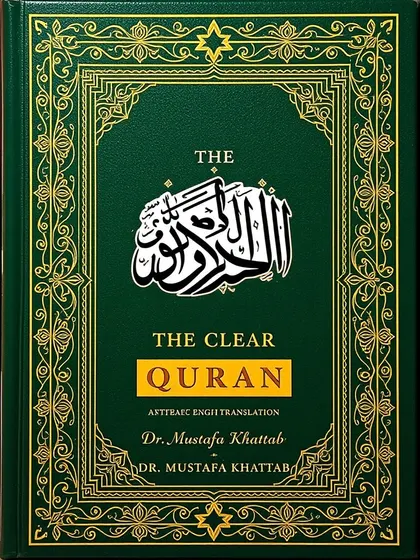
Dr. Mustafa Khattab
An easy-to-understand, thematic translation praised for its accuracy and accessibility — ideal for everyday reading and dawah.

Abdullah Yusuf Ali
The classic Yusuf Ali translation with extensive footnotes — a long-standing favourite for study and reflection.