
The Study Quran: A New Translation and Commentary
Seyyed Hossein Nasr (Ed.)
A landmark scholarly edition with verse-by-verse commentary drawn from classical sources — the most comprehensive single-volume study Quran in English.
The Verse of the Throne · Surah Al-Baqarah 2:255
Ayatul Kursi (Āyat al-Kursī, “the Verse of the Throne”) is verse 255 of Surah Al-Baqarah, the second chapter of the Quran. It describes Allah’s perfect life, His knowledge of all things and His authority over the heavens and the earth, and takes its name from the word kursī in the verse.
Below is the full verse in Arabic, with a transliteration to help you recite it and the Saheeh International English translation of its meaning. Press play to hear it recited.
ٱللَّهُ لَآ إِلَٰهَ إِلَّا هُوَ ٱلْحَىُّ ٱلْقَيُّومُ ۚ لَا تَأْخُذُهُۥ سِنَةٌۭ وَلَا نَوْمٌۭ ۚ لَّهُۥ مَا فِى ٱلسَّمَٰوَٰتِ وَمَا فِى ٱلْأَرْضِ ۗ مَن ذَا ٱلَّذِى يَشْفَعُ عِندَهُۥٓ إِلَّا بِإِذْنِهِۦ ۚ يَعْلَمُ مَا بَيْنَ أَيْدِيهِمْ وَمَا خَلْفَهُمْ ۖ وَلَا يُحِيطُونَ بِشَىْءٍۢ مِّنْ عِلْمِهِۦٓ إِلَّا بِمَا شَآءَ ۚ وَسِعَ كُرْسِيُّهُ ٱلسَّمَٰوَٰتِ وَٱلْأَرْضَ ۖ وَلَا يَـُٔودُهُۥ حِفْظُهُمَا ۚ وَهُوَ ٱلْعَلِىُّ ٱلْعَظِيمُ
Allahu laaa ilaaha illaa Huwal Haiyul Qaiyoom; laa taakhuzuhoo sinatunw wa laa nawm; lahoo maa fissamaawaati wa maa fil ard; man zal lazee yashfa'u indahooo illaa bi-iznih; ya'lamu maa baina aydeehim wa mww khalfahum wa laa yuheetoona bishai'im min 'ilmihee illaa bimaa shaaa'; wasi'a Kursiyyuhus samaawaati wal arda wa laa ya'ooduho hifzuhumaa; wa Huwal Aliyyul 'Azeem
Allah - there is no deity except Him, the Ever-Living, the Sustainer of [all] existence. Neither drowsiness overtakes Him nor sleep. To Him belongs whatever is in the heavens and whatever is on the earth. Who is it that can intercede with Him except by His permission? He knows what is [presently] before them and what will be after them, and they encompass not a thing of His knowledge except for what He wills. His Kursi extends over the heavens and the earth, and their preservation tires Him not. And He is the Most High, the Most Great.
Arabic text (Uthmani script) and English translation by Saheeh International, from the Tanzil project via alquran.cloud. Verse audio: Mishary Rashid Alafasy, via everyayah.com. Hadith references are given so you can check them with a scholar you trust.
Ayatul Kursi is verse 255 of Surah Al-Baqarah, the second and longest surah of the Quran.
“Ayat al-Kursi” means “the Verse of the Throne” (kursī is often translated as footstool or throne). The verse declares that there is no god but Allah, the Ever-Living, who neither sleeps nor tires, who knows everything and whose dominion extends over the heavens and the earth.
It is commonly recited after each obligatory prayer, before going to sleep, and as part of the morning and evening adhkar, based on the narrations cited on this page.
You can read its meaning in English to understand it, and the transliteration helps you learn the pronunciation. In the prayer itself the Quran is recited in Arabic.
Printed Qurans and translations we recommend for reading, study and gifting.
Seyyed Hossein Nasr (Ed.)
A landmark scholarly edition with verse-by-verse commentary drawn from classical sources — the most comprehensive single-volume study Quran in English.

M. A. S. Abdel Haleem
A modern, highly readable translation in flowing English prose — widely recommended as the best starting point for first-time readers.
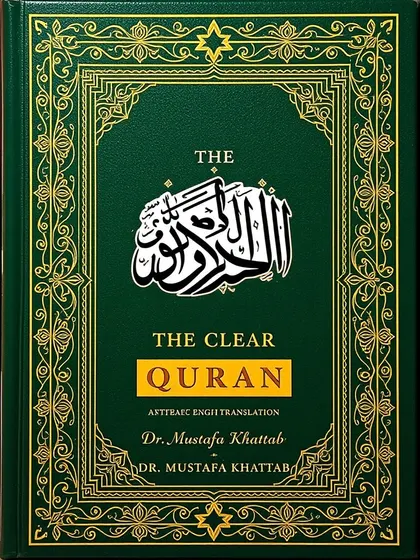
Dr. Mustafa Khattab
An easy-to-understand, thematic translation praised for its accuracy and accessibility — ideal for everyday reading and dawah.

Abdullah Yusuf Ali
The classic Yusuf Ali translation with extensive footnotes — a long-standing favourite for study and reflection.