
The Study Quran: A New Translation and Commentary
Seyyed Hossein Nasr (Ed.)
A landmark scholarly edition with verse-by-verse commentary drawn from classical sources — the most comprehensive single-volume study Quran in English.
Āmana ar-Rasūl · Surah Al-Baqarah 2:285–286
The last two verses of Surah Al-Baqarah (2:285–286) close the longest chapter of the Quran. The first is the believers’ declaration of faith in Allah, His angels, His books and His messengers; the second is a supplication asking Allah not to burden us beyond what we can bear, to pardon and forgive us, and to grant us victory.
They are often called by their opening words, Āmana ar-Rasūl (“The Messenger has believed”). Read them below in Arabic with transliteration and the Saheeh International translation, and press play to hear each verse.
ءَامَنَ ٱلرَّسُولُ بِمَآ أُنزِلَ إِلَيْهِ مِن رَّبِّهِۦ وَٱلْمُؤْمِنُونَ ۚ كُلٌّ ءَامَنَ بِٱللَّهِ وَمَلَٰٓئِكَتِهِۦ وَكُتُبِهِۦ وَرُسُلِهِۦ لَا نُفَرِّقُ بَيْنَ أَحَدٍۢ مِّن رُّسُلِهِۦ ۚ وَقَالُوا۟ سَمِعْنَا وَأَطَعْنَا ۖ غُفْرَانَكَ رَبَّنَا وَإِلَيْكَ ٱلْمَصِيرُ
Aamanar-Rasoolu bimaaa unzila ilaihi mir-Rabbihee walmu'minoon; kullun aamana billaahi wa Malaaa'ikathihee wa Kutubhihee wa Rusulih laa nufarriqu baina ahadim-mir-Rusulihee wa qaaloo sami'naa wa ata'naa ghufraanaka Rabbanaa wa ilaikal-maseer
The Messenger has believed in what was revealed to him from his Lord, and [so have] the believers. All of them have believed in Allah and His angels and His books and His messengers, [saying], "We make no distinction between any of His messengers." And they say, "We hear and we obey. [We seek] Your forgiveness, our Lord, and to You is the [final] destination."
لَا يُكَلِّفُ ٱللَّهُ نَفْسًا إِلَّا وُسْعَهَا ۚ لَهَا مَا كَسَبَتْ وَعَلَيْهَا مَا ٱكْتَسَبَتْ ۗ رَبَّنَا لَا تُؤَاخِذْنَآ إِن نَّسِينَآ أَوْ أَخْطَأْنَا ۚ رَبَّنَا وَلَا تَحْمِلْ عَلَيْنَآ إِصْرًۭا كَمَا حَمَلْتَهُۥ عَلَى ٱلَّذِينَ مِن قَبْلِنَا ۚ رَبَّنَا وَلَا تُحَمِّلْنَا مَا لَا طَاقَةَ لَنَا بِهِۦ ۖ وَٱعْفُ عَنَّا وَٱغْفِرْ لَنَا وَٱرْحَمْنَآ ۚ أَنتَ مَوْلَىٰنَا فَٱنصُرْنَا عَلَى ٱلْقَوْمِ ٱلْكَٰفِرِينَ
Laa yukalliful-laahu nafsan illaa wus'ahaa; lahaa maa kasabat wa 'alaihaa maktasabat; Rabbanaa la tu'aakhiznaa in naseenaaa aw akhtaanaa; Rabbanaa wa laa tahmil-'alainaaa isran kamaa hamaltahoo 'alal-lazeena min qablinaa; Rabbanaa wa laa tuhammilnaa maa laa taaqata lanaa bih wa'fu 'annaa waghfir lanaa warhamnaa; Anta mawlaanaa fansurnaa 'alal qawmil kaafireen
Allah does not charge a soul except [with that within] its capacity. It will have [the consequence of] what [good] it has gained, and it will bear [the consequence of] what [evil] it has earned. "Our Lord, do not impose blame upon us if we have forgotten or erred. Our Lord, and lay not upon us a burden like that which You laid upon those before us. Our Lord, and burden us not with that which we have no ability to bear. And pardon us; and forgive us; and have mercy upon us. You are our protector, so give us victory over the disbelieving people."
Arabic text (Uthmani script) and English translation by Saheeh International, from the Tanzil project via alquran.cloud. Verse audio: Mishary Rashid Alafasy, via everyayah.com. Hadith references are given so you can check them with a scholar you trust.
They are verses 285 and 286 of Surah Al-Baqarah, beginning “Āmana ar-Rasūl” (“The Messenger has believed”). They are the final verses of the second surah of the Quran.
At night. The Prophet ﷺ said that whoever recites them at night, they will suffice him (Sahih al-Bukhari 5009), so they are commonly read after ‘Isha or before sleeping.
The first affirms belief in Allah, His angels, books and messengers, and the believers’ response: “We hear and we obey.” The second teaches that Allah does not burden a soul beyond its capacity and ends with a supplication for forgiveness, mercy and help.
Printed Qurans and translations we recommend for reading, study and gifting.
Seyyed Hossein Nasr (Ed.)
A landmark scholarly edition with verse-by-verse commentary drawn from classical sources — the most comprehensive single-volume study Quran in English.

M. A. S. Abdel Haleem
A modern, highly readable translation in flowing English prose — widely recommended as the best starting point for first-time readers.
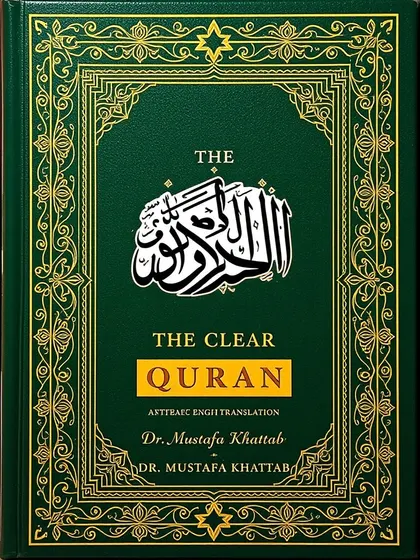
Dr. Mustafa Khattab
An easy-to-understand, thematic translation praised for its accuracy and accessibility — ideal for everyday reading and dawah.

Abdullah Yusuf Ali
The classic Yusuf Ali translation with extensive footnotes — a long-standing favourite for study and reflection.